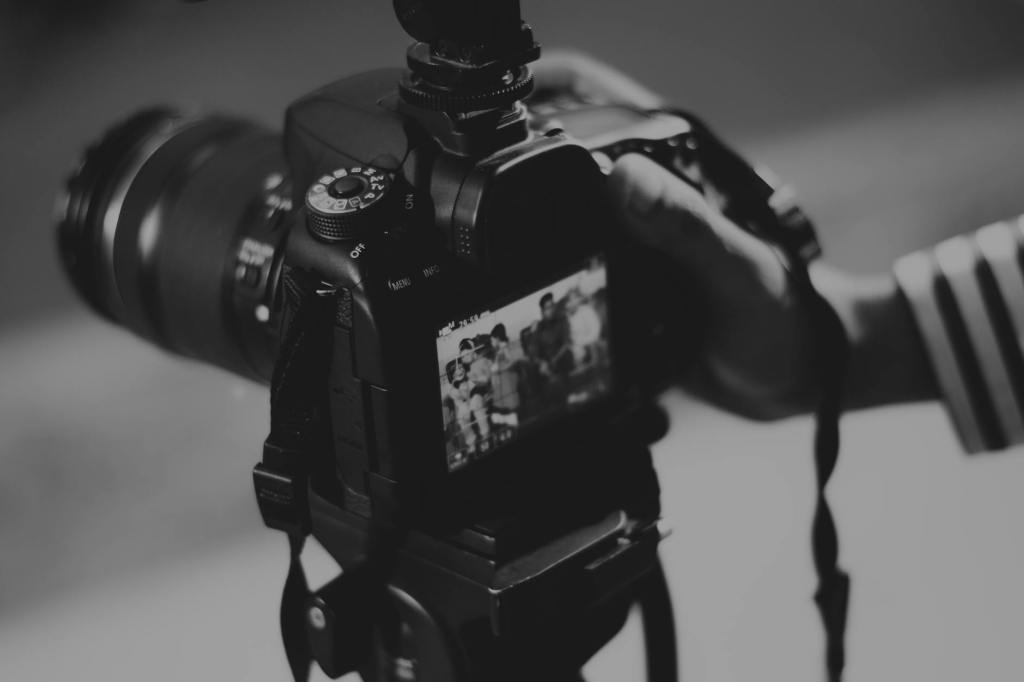
Demetrius Borges started as a photographer in Brazil at the age of 16. This early passion evolved into a multifaceted career that seamlessly blends artistic vision with technical expertise. He joined the Brazilian Air Force at the age of 18 and retired at the age of 48, and became the owner of a highly-renowned photography studio in Rio de Janeiro. He has also established himself as a sought-after photojournalist and entrepreneur in the United States, proving Borges’ story is one of continuous evolution and recognition.
His experience includes managing and shooting weddings, corporate events, and commercial projects at his Father-in-Law’s photography studio, “Mauro Studio” in Barra, where he led a team of 20 professionals. After moving to the US in 2016, Borges further honed his skills, working with ArcheiUSA Newspaper and AMG Agency, producing content for recognized newspapers and magazines across the US and Brazil. For years, his lens has captured everything from marketing campaigns and commercials to TV shows and the vibrant Brazilian Film Festival in Miami.
The growth of his company, 2B Art Studio LLC, into encompassing real estate, architecture, mapping, and events naturally led him to explore the possibilities of aerial photography and filming with drones. With a background in the military, obtaining an FAA license for drone flight was a logical step. This expertise culminated in the launch of an innovative service through Map Drone Services, during the pandemic. Based in Miami, Florida, Map Drone Services specializes in creating aerial content for commercial projects, with Borges’ images amassing almost 18 million views on Google Maps.
With over 30 years of experience in the field, we sat down with Demetrius Borges to discuss the present and future of drone photography, its advantages, challenges, and its potential impact across various industries. His proprietary workflow, combining drone imaging, 3D mapping, and AI-enhanced editing, is now being used by local design firms and real estate agencies to improve property visualization.

The Allure of Aerial Perspectives: Advantages of Drone Photography
“Drone photography offers a wide range of advantages that go far beyond just visual impact,” Borges explains. “It has the ability to show spatial context, flexibility of angles and altitude. It’s a tool that blends technology, art, and strategy, all of which create depth, scale, and emotion in the final result.”
The ability to capture unique perspectives, unattainable through traditional photography, is a major draw. Drones can soar above landscapes, providing a comprehensive view of sprawling properties, architectural marvels, or dynamic events. This expanded perspective helps to understand the magnitude and relationship between subjects like never before.
Navigating the No-Fly Zones: Disadvantages and Restrictions
Despite its versatility, drone photography comes with its own set of challenges and limitations. “One of the disadvantages is the restriction of flight zones,” Borges points out. “There are many areas classified as controlled airspace due to proximity to airports, military bases, or sensitive government locations. Even as an FAA-licensed drone pilot, I’m often limited in where I can legally fly and shoot.”
Navigating these regulations requires meticulous planning and adherence to safety protocols. Understanding airspace classifications, obtaining necessary permits, and utilizing geofencing technology are all crucial aspects of responsible drone operation.
The Toolkit: Balancing Performance and Precision
Borges utilizes a range of equipment tailored to specific needs, each with its own set of advantages and disadvantages. “The DJI lineup is incredibly stable, easy to fly, and comes with intelligent flight features,” he notes. These drones are reliable tools for capturing high-quality images and videos in various environments.
For more dynamic and cinematic shots, Borges turns to the Cinebot 30. “The Cinebot 30 is built for cinematic and dynamic motion shots, the kind that feel like you’re flying through a space, not just observing it. The results are stunning: fluidity, unique angles, and immersive storytelling.” However, he cautions that “it lacks the safety and automation features of DJI drones. There’s no obstacle avoidance, so it demands a high level of piloting skill and real-time responsiveness.”

Art From Above: Incorporating Artistic Vision into Drone Photography
Beyond its practical applications, Borges believes drone photography has a significant place in the artistic realm. He shares an example from a shoot in Sunny Isles, Florida: “I was photographing a luxury development near the ocean. The sun was setting, the sky was filled with warm tones fading into deep blue, I had the right amount of cloud coverage to add texture. I was able to capture the perfect balance of light, color, and perspective. It told a story, evoked feelings — creating art from the sky.”
This ability to capture fleeting moments of beauty and transform them into compelling visual narratives underscores the artistic potential of drone photography.
Transforming Industries: Fashion, Events, and Immersive Storytelling
The impact of drone photography is already being felt across various industries, particularly in fashion and events. “In the fashion and events’ industries, drones add powerful storytelling,” Borges explains. “They allow us to go beyond traditional static portraits: bringing movement into the narrative, all from a more immersive perspective.”
Imagine a fashion show captured from above, showcasing the flow and movement of garments against a stunning backdrop. Or a large-scale event brought to life through dynamic aerial footage that captures the energy and excitement of the crowd.

Addressing Concerns: Privacy, Security, and Transparency
The increasing use of drones has also sparked debates about privacy and security. Borges acknowledges these concerns and advocates for greater transparency. “Drone operations should become more transparent to the public,” he suggests. “Like airplane pilots who submit their flight plans to air traffic control, drone pilots benefit where our flights are publicly visible. This would build public trust and reduce stigma.”
He emphasizes the importance of responsible drone operation and proactive measures to ensure public safety. “The key is preparation and planning,” he says. “A responsible drone operator should always scout in advance, analyze risks, understand airspace classifications, and notify authorities when necessary — especially in events, crowded areas, or urban environments.”
Becoming a Licensed Drone Pilot: A Commitment to Safety and Ethics
Borges stresses the importance of proper training and certification for anyone offering commercial drone services. “Becoming a certified drone pilot is not just about passing a test — it’s about committing to the safe, legal, and ethical use of drones in American airspace. As a professional, I believe that anyone offering commercial drone services should go through this process.”
The FAA certification process involves passing a knowledge test, adhering to regulations, and demonstrating a commitment to safe flight practices.

Map Drone Services: A Vision for Aerial Imaging
Borges’ company, Map Drone Services, reflects his commitment to providing specialized aerial imaging solutions for various industries. “As my work began to grow in the real estate and commercial sectors, I realized I needed a brand where I can present my services in aerial imaging, mapping, virtual tours, real estate marketing, and corporate visuals in a clear and targeted way.”
The Future of Drone Photography: Integration, Automation, and Specialization
Looking ahead, Borges envisions a future where drone photography becomes even more integrated into commercial and real estate operations. “I believe we’ll see more integration, automation, and specialization in drone work. Especially with the rise of artificial intelligence.”
He predicts the development of specialized drones tailored to specific tasks, such as inspections, surveying, and delivery services. AI-powered systems will automate flight planning, data analysis, and image processing, further streamlining workflows and enhancing efficiency.
Ultimately, Demetrius Borges’ journey exemplifies the transformative power of combining artistic vision with technological prowess. He concludes, “What I do know is that I plan to keep learning, adapting, and evolving with it — staying creative and ready for what comes next.” His insights provide a glimpse into the exciting possibilities that lie ahead for drone photography.
 Richford Post
Leave a comment